SA REPS VPP incentive – current status (August 2026): general-household funding was fully allocated in May 2026. For the remainder of 2026 the REPS VPP incentive is open to priority group households only – up to $1,030 on a 13kWh battery and up to $2,050 on a 28kWh system. Further funding is expected early 2027. The federal rebate below is unaffected and open to all households. Check if you qualify as a priority household.
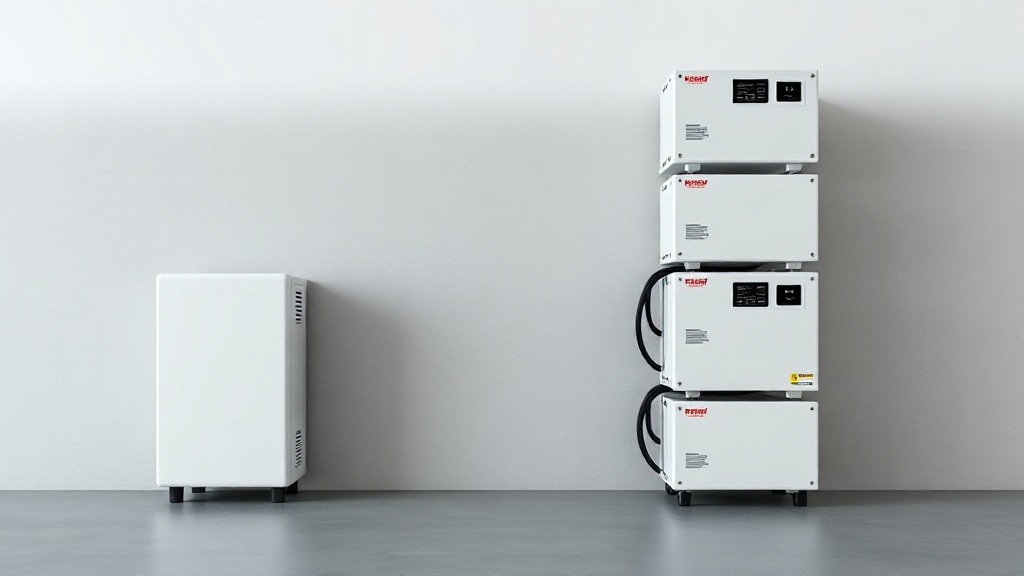
Powerwall 3 vs SigenStor at a glance
| Tesla Powerwall 3 | Sigenergy SigenStor | |
|---|---|---|
| Capacity | 13.5kWh fixed (+ expansion packs to 54kWh) | Modular ~8kWh modules – stack to suit (roughly 8-48kWh) |
| Inverter | Integrated hybrid, up to 20kW solar input | Integrated hybrid in the stack head unit |
| Phase support | Single-phase (AU) | Single and three-phase options |
| Continuous power | ~10kW (AU) | Scales with configuration |
| EV charging | Separate Tesla Wall Connector | Optional DC EV charger module in the stack |
| Chemistry | LFP | LFP |
| Warranty | 10 years | 10 years |
| Typical SA positioning | Premium single-box | Comparable or slightly lower $/kWh, config-dependent |
Compiled from manufacturer data and Australian industry reviews, June 2026. SigenStor pricing varies more because it’s configured per home rather than sold as one fixed product.
Where the Powerwall 3 wins
- One decision, one box. 13.5kWh and ~10kW covers most homes without configuration debates.
- The app and ecosystem. Tesla’s software remains the benchmark, and VPP support in SA is broad – AGL and Origin both take Powerwalls.
- Brand confidence and resale. A Powerwall on the wall is a recognised asset at sale time.
Where Sigenergy wins
- Right-sizing. Start at ~8kWh and add modules as an EV or growing family changes your usage – you only pay for capacity when you need it. (Claim the REPS incentive after expanding – it’s once per premises.)
- Three-phase homes. A genuine three-phase option where the Powerwall 3 is single-phase in Australia.
- EV integration. The optional DC charger module makes solar-to-car charging cleaner than a separate AC wallbox.
- Installer momentum. SigenStor has gained serious traction with Australian installers since 2024, so quotes and local support are easy to get in SA.
households only
SA REPS VPP incentive - current status (August 2026): general-household funding was fully allocated in May 2026. For the remainder of 2026 the REPS VPP incentive is open to priority group households only - up to $1,030 on a 13kWh battery and up to $2,050 on a 28kWh system. Further funding is expected early 2027. The federal rebate below is unaffected and open to all households. Check if you qualify as a priority household.
Figures current as of August 2026. The SA Home Battery Scheme (the old state subsidy) closed in 2022 and has not been replaced. Federal source · REPS status source.
Both systems are on the approved product list, so the federal rebate applies to either at about $252 per usable kWh (to 14kWh, then 60% to 28kWh). Note a quirk in Sigenergy’s favour for big systems: stacking to, say, 16kWh keeps collecting rebate at the 60% rate where the Powerwall’s jump is a whole 13.5kWh expansion pack. For VPPs, ENGIE’s program supports Sigenergy in SA – see the comparison.
Get both quoted side by side - free
Exclusive - your details go to one licensed local installer, not five.
Powerwall 3 vs Sigenergy FAQs
Is Sigenergy cheaper than a Powerwall 3?
Usually comparable or slightly cheaper per usable kWh in Australia, but it depends on configuration – a small SigenStor stack costs less outright, while a like-for-like ~13kWh stack lands near Powerwall money. Get both quoted; the gap is rarely huge.
Is Sigenergy a reliable brand?
It’s a newer name (founded by ex-Huawei energy executives) that has built rapid installer adoption in Australia on hardware quality and a 10-year warranty. It doesn’t yet have Tesla’s track record – weigh that against its flexibility advantages.
Which is better for a three-phase home?
Sigenergy – it offers genuine three-phase configurations in Australia, while the Powerwall 3 is single-phase here. Three-phase homes can still install a Powerwall, but backup behaviour across phases needs careful design.
Do both qualify for the SA rebates?
Yes – both are approved products for the federal rebate, and both connect to REPS-approved VPPs in SA (Tesla via AGL and Origin, Sigenergy via ENGIE among others).
Related: Powerwall 3 price in SA · Powerwall 2 vs 3 · Best batteries 2026 · What size do I need?